Featured


About Understanding Bankruptcy Types Before Consulting
Table of Contents
That liberates cash in the short-term, and you might have three to 4 years to conserve toward the settlement quantity. Very hazardous to credit rating, mainly as a result of missed out on settlements and a negative "cleared up" mark that might stay on your credit rating report for as much as seven yearsMay be only option if various other choices (debt consolidation, equilibrium transfer charge card, financial debt mercy) aren't possibleTypically needs a charge to the 3rd celebration, which can balance out some or every one of the savings from financial debt settlementMay assist you prevent personal bankruptcy if you have actually missed out on numerous paymentsNot all financial institutions collaborate with debt settlement companies Financial obligation forgiveness might be ideal for you if you are experiencing an economic difficulty that makes it virtually difficult to pay down your financial debt equilibriums.
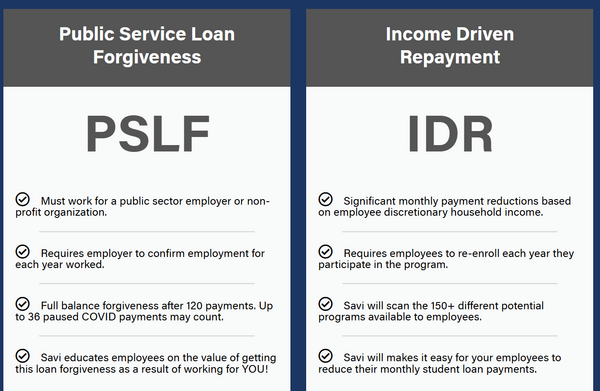
With a DMP, you make one monthly repayment to the credit score counseling firm. Those funds are then distributed to financial institutions of your unsecured debts, such as credit score cards and installment finances. The agency collaborates with your creditors to lower rate of interest or waive fees, yet some creditors may decline such giving ins.
A financial obligation loan consolidation financing combines your eligible debts right into one new finance. It can assist you pay for debt if you have the ability to safeguard a lending price that's lower than the average price of the accounts you're consolidating. You need to abstain from racking up financial debt on those freshly cleared accounts or your debt might grow also higher.
That provides you lots of time to eliminate or substantially decrease your balance while making interest-free payments.
The Buzz on Methods APFSC Guarantees Industry Standards
You may require it if your lender or a collection firm ever tries to gather on the financial debt in the future. When a lending institution forgives $600 or even more, they are needed to send you Kind 1099-C.
Debt forgiveness or negotiation generally harms your credit rating. Anytime you work out a financial debt for less than you owe, it might look like "resolved" on your credit score report and affect your credit rating for 7 years from the date of settlement. Your credit rating can likewise drop considerably in the months leading to the mercy if you fall back on settlements.
The Main Principles Of Ways Trustworthy Providers Uphold Industry Standards
This circumstance commonly results from underreporting revenue, not filing returns on time, or discrepancies located throughout an IRS audit. The effects of building up tax debt are severe and can include tax liens, which provide the Internal revenue service a lawful case to your residential property as security for the financial debt.
Incomes and Financial institution Accounts IRS can levy (seize) wages and bank accounts to satisfy the financial debt. Residential or commercial property Seizure In extreme situations, the IRS can seize and sell residential property to cover the financial debt.
Depression, anxiety, and other psychological wellness concerns. Social Preconception Encountering legal activity from the IRS can bring social preconception. Damage to online reputation and partnerships. Employment Opportunities An inadequate credit report due to exhaust debt can limit employment possibility. Difficulty finding or keeping a job. Federal government Benefits Tax obligation financial debt may affect eligibility for federal government advantages, such as Social Safety And Security and Medicaid.
Creating a Healthy Budget That Works Can Be Fun For Anyone
The OIC considers several elements, consisting of the taxpayer's revenue, expenses, asset equity, and capacity to pay. Effectively bargaining an OIC can be complex, requiring a detailed understanding of the IRS's standards and a solid disagreement for why your offer lines up with your ability to pay. It is very important to keep in mind that not all applications are accepted, and the process needs thorough financial disclosure.
The internal revenue service analyzes your total monetary scenario, including your earnings, costs, property equity, and ability to pay. You must also be existing with all declaring and payment demands and not remain in an open insolvency proceeding. The IRS likewise considers your conformity background, reviewing whether you have a document of timely declaring and paying taxes in previous years.
Regional Programs That Offer Debt Relief for Dummies
The application process for an Offer in Concession involves numerous in-depth steps. First, you need to complete and send internal revenue service Kind 656, the Offer in Compromise application, and Form 433-A (OIC), a collection information statement for people. These kinds need detailed financial information, including details regarding your income, financial debts, expenditures, and assets.
Back tax obligations, which are unsettled tax obligations from previous years, can substantially raise your complete IRS financial obligation if not dealt with without delay. This financial debt can accumulate interest and late payment fines, making the original quantity owed much bigger over time. Failure to repay tax obligations can result in the internal revenue service taking enforcement actions, such as providing a tax lien or levy versus your property.
It is important to address back taxes as quickly as possible, either by paying the full amount owed or by arranging a repayment strategy with the internal revenue service. By taking aggressive actions, you can avoid the accumulation of added rate of interest and charges, and prevent a lot more hostile collection actions by the internal revenue service.
One usual reason is the belief that the taxpayer can pay the sum total either as a swelling sum or through a repayment plan. The internal revenue service additionally takes into consideration the taxpayer's revenue, expenses, possession equity, and future earning capacity. If these elements show that the taxpayer can manage to pay greater than the offered amount, the IRS is most likely to deny the deal.
4 Easy Facts About Understanding Your How to Negotiate With Creditors Practical Tips to Reduce Debt & Interest Options Before Filing Explained
Dealing with IRS financial obligation can be intricate and overwhelming. Tax specialists, such as Certified public accountants, tax lawyers, or enrolled agents, can offer invaluable aid.

Table of Contents
Latest Posts
The Ultimate Guide To Market Trends That Affect Growing Demand Are Seeking How APFSC Helps Veterans Manage Debt

Government Programs for Financial Assistance for Dummies
The Buzz on What's Next for Managing Money During a Long Illness: Working with Creditors Before Bills Pile Up Services
More
Latest Posts
The Ultimate Guide To Market Trends That Affect Growing Demand Are Seeking How APFSC Helps Veterans Manage Debt
Government Programs for Financial Assistance for Dummies
The Buzz on What's Next for Managing Money During a Long Illness: Working with Creditors Before Bills Pile Up Services